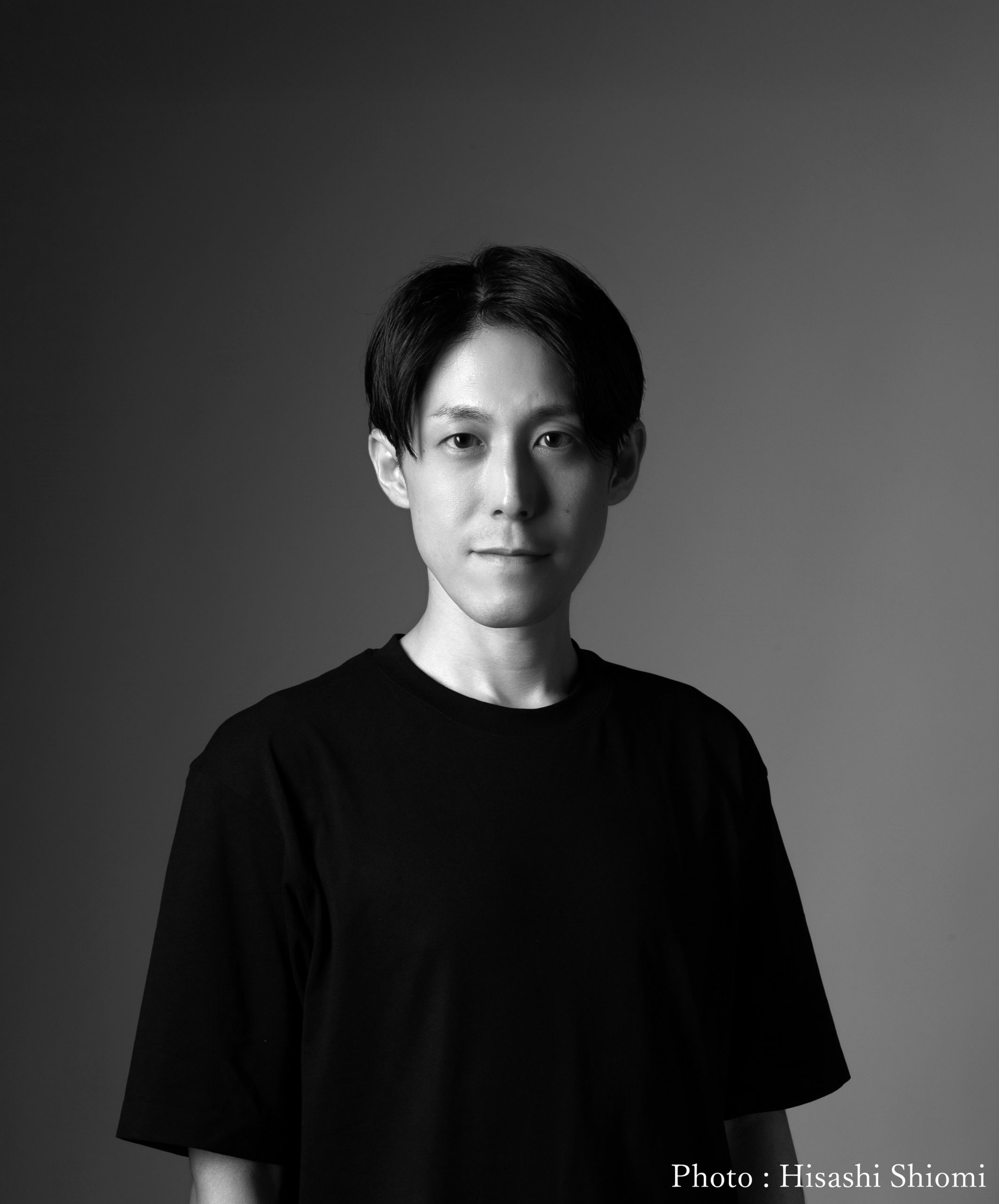
佐東ヒロキ
1985年生まれ 京都を拠点に活動
京都芸術大学芸術学部美術科洋画コース 卒業
【受賞歴】
シェル美術賞2020 角奈緒子審査員賞
muni art award 2023 ファイナリスト
いい芽ふくら芽 in OSAKA グランプリ <他多数>
【展示歴】
<個展>
2022年 「Being there」galerie16
2023年 「Texture of the city」TSUKIMI HOTEL
2023年 「佐東ヒロキ展」大丸京都店アートサロンESPACE KYOTO
2025年 「Serenity Core」あべのハルカス近鉄本店アートギャラリー
2025年 「Becoming」大丸梅田店 ART GALLERY UMEDA
<グループ展>
2020年 「ACTアート大賞展2020」The Artcomplex Center of Tokyo
2020年 「シェル美術賞展2020」国立新美術館
2021年 「Prologue XII」GALLERY ART POINT
2023年 「muni Art Award 2023 展」ぎゃらりい秋華洞
2024年 「いい芽ふくら芽 in OSAKA」大丸梅田店
2024年 「INFINITY JAPAN」Regent TAIPEI(台湾)
2024年 「Idemitsu Art Award展 2024」国立新美術館
2025年 「アートのチカラ」伊勢丹新宿店 <他多数>
「モノの存在」を主題に、建築物をモチーフとした作品を制作している。
都市に佇む建物は、確かに「そこにある」という強度を持ちながら、同時に風化し朽ちゆく宿命を背負っている。その狭間にある何かを掴みたいという衝動が、制作の根底にある。
伝統的な日本画の画材と現代のアクリル絵具を対比的に用い、重厚さと儚さが共存する独自のマチエールを追求している。構成は削ぎ落とし、存在そのものだけが残る画面を目指している。
Hiroki SATOH
Born in 1985. Based in Kyoto.
Graduated from the Department of Oil Painting, Faculty of Fine Arts, Kyoto University of the Arts.
-Award-
2020 “ACT Art Award 2020” Honorable Mention
2020 “Shell Art Award 2020” Jury Prize
2021 “Kyoto University of the Arts Graduation exhibition” Encouraging Prize
2023 ”muni art award 2023” Finalist
2024 “Iime Fukurame in OSAKA” Grand Prix
-Exhibition-
(Solo Exhibition)
2022 “Being there” galerie16, Kyoto
2023 “Texture of the city” TSUKIMI HOTEL, Kyoto
2023 “Hiroki Sato Exhibition” Art Salon ESPACE KYOTO, Kyoto
2025 “Serenity Core” Abeno Harukas Kintetsu Main Store Art Gallery, Osaka
(Group Exhibition)
2020 “ACT Art Award 2020” The Artcomplex Center of Tokyo
2020 “Shell Art Award 2020” The National Art Center, Tokyo
2021 “Kyoto University of the Arts Graduation exhibition”
2021 “Prologue XII” Gallery Art Point, Tokyo
2022 “ACT Art Award 2022” The Artcomplex Center of Tokyo
2023 “muni Art Award 2023 Exhibition” Gallery Shukado, Tokyo
2024 “Iime Fukurame in OSAKA” Daimaru Umeda, Osaka
2025 “The Power of Art” Isetan Shinjuku Store
My work centers on the theme of “the existence of things,” using architecture as a primary motif.
Buildings standing in the city possess a certain solidity — they are undeniably there — yet they are destined to weather and decay. The impulse to grasp something within that tension is what drives my practice.
I use traditional Japanese mineral pigments (iwa-enogu) alongside modern acrylic paint, pursuing a unique materiality where weight and fragility coexist. Compositions are stripped down, aiming for a surface where only existence itself remains.